Solar Power System

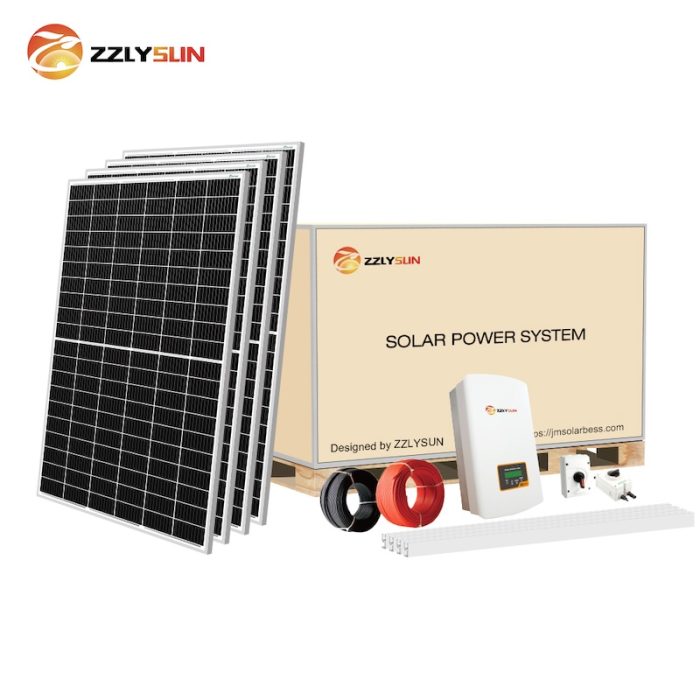
Product Name:Solar Power System                                                                                                System Classification:On/Off/Hybrid Solar System                                                                                      Power Range:5kw-200kw                                                                                                                  Output Voltage:110v/220v/380v

Whatsapp
×

1 + 7 = ?

Solar Power System Supplier

According to the requirements of the applicable scenarios, the photovoltaic power generation system is divided into grid-connected, off-grid and hybrid-grid systems。

ZZLYSUN is a professional solar power system supplier dedicated to delivering complete, high-quality solar energy solutions for homes, businesses, and off-grid applications worldwide. We design and supply reliable solar PV systems, including grid-tied systems, off-grid systems, and hybrid solar storage systems, paired with top-grade solar inverters, lithium iron phosphate batteries, PV modules, mounting structures, and full installation accessories.

As a one-stop solar energy system supplier, we offer OEM/ODM services, flexible MOQs, competitive factory pricing, and fast global shipping. Whether you need a small residential off-grid kit or a large-scale commercial solar storage solution, ZZLYSUN provides the right system design, dependable components, and responsive support to power your project.

What is the grid-tied solar system?

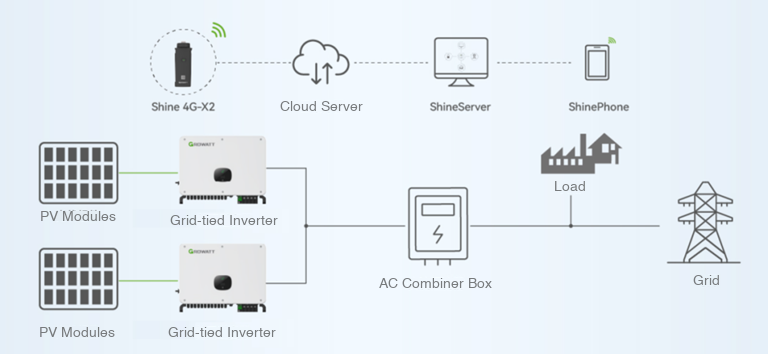
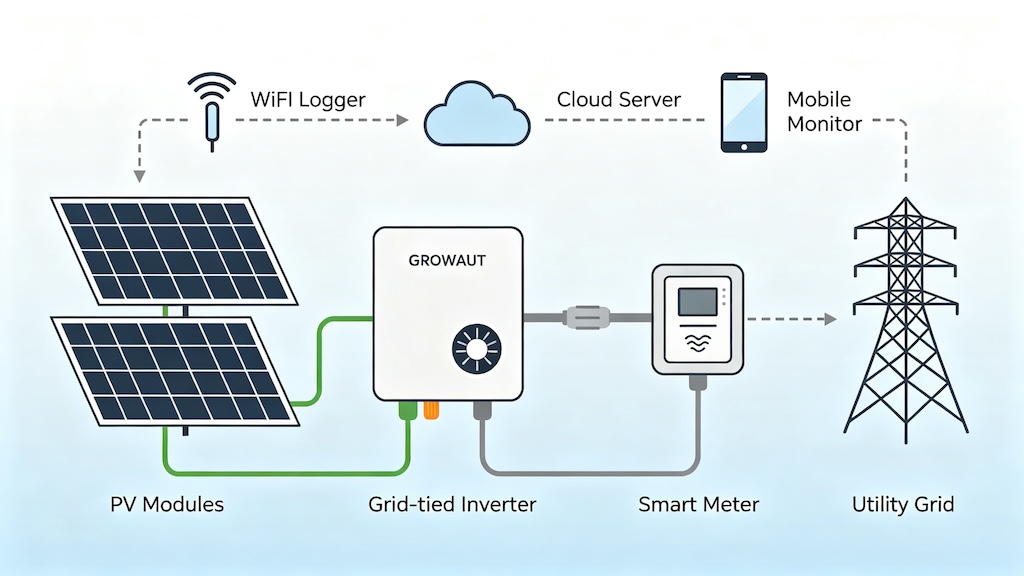
Grid-connected system: It relies on the power grid for operation and does not have energy storage. Photovoltaic power generation is primarily used to supply local loads, and the excess power is sent back to the grid. When insufficient, it draws power from the grid. This is currently the most mainstream application form.

What is the on grid solar system?

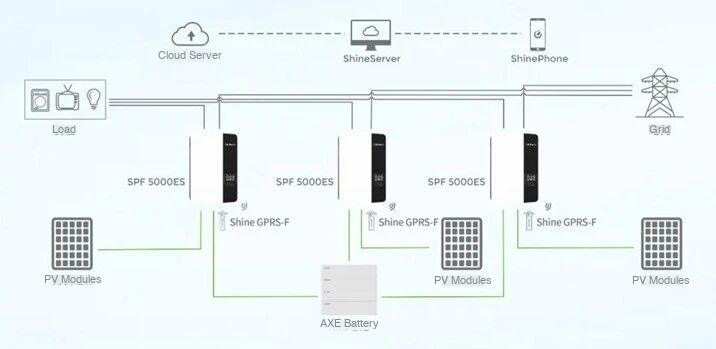
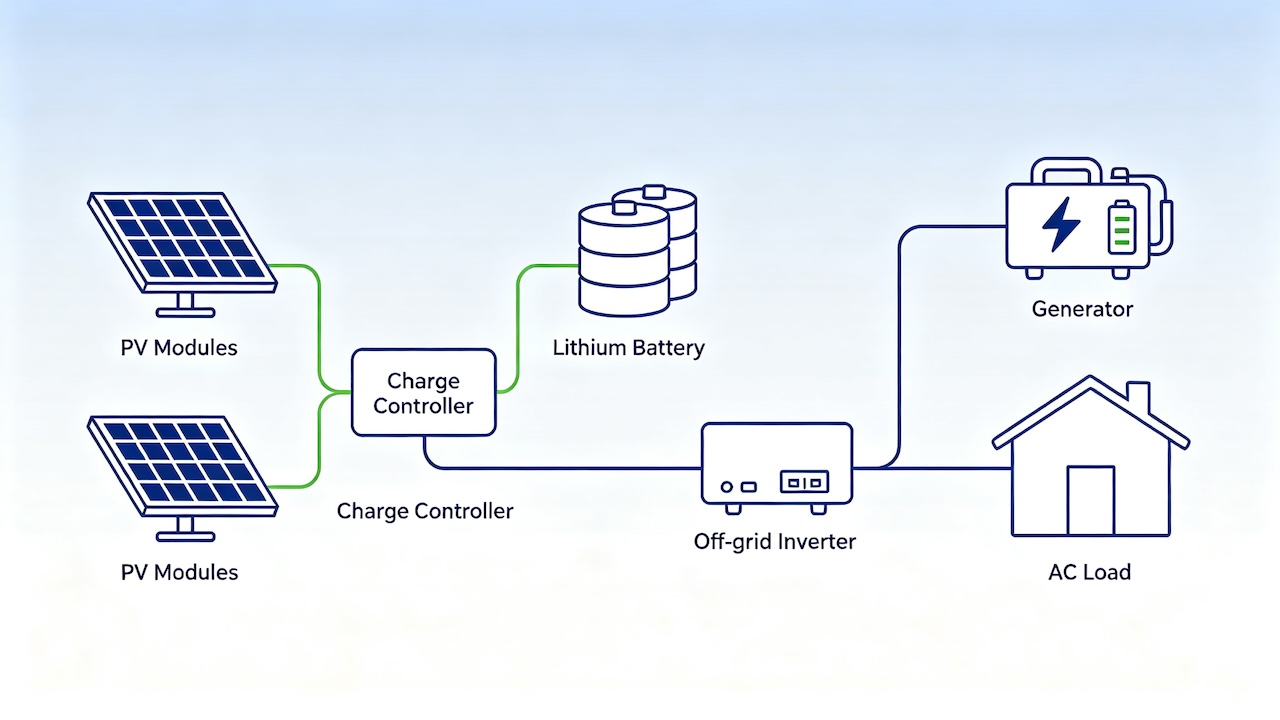
Off-grid system: Completely disconnected from the public power grid, with “photovoltaic + energy storage” as the core, it can be combined with backup power sources such as diesel generators to achieve “self-generation, self-storage, and self-consumption”, mainly resolve  the power supply issue in areas without grid coverage.

What is the hybrid solar system?

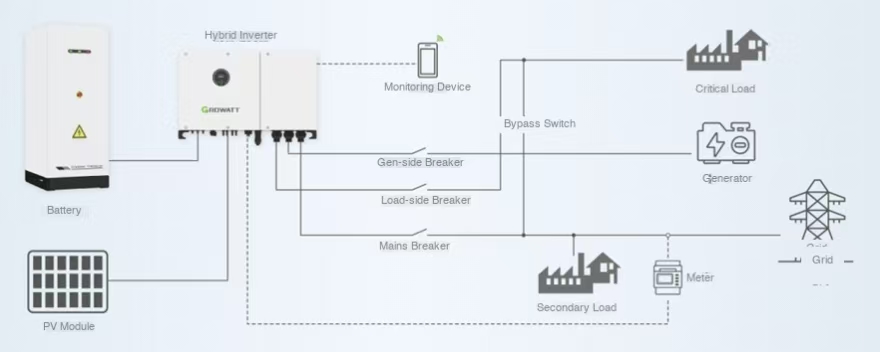
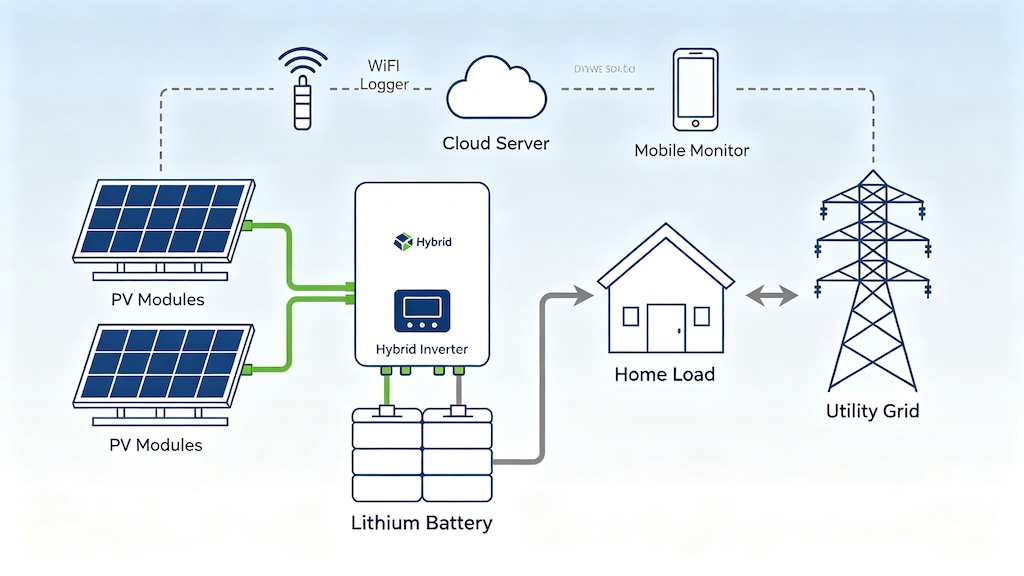
Hybrid system: Integrates both grid-connected and off-grid modes, allowing for flexible switching of working modes. When the grid is normal, it can generate and consume electricity independently, and export excess electricity to the grid; when the grid is out of service, it automatically switches to the off-grid mode to ensure the power supply for critical loads. This is the core development direction for current household and industrial-commercial energy storage systems.

On Grid vs Off Grid vs Hybrid solar system 

Comparison items


On grid system

Off grid system

on/off grid system

Grid dependence

Must be connected

completely independent

Optional connection

Energy storage demand

No configuration required

Must be configured

Optional configuration

Power supply mode


Depend on the power grid

Self-powered supply

Intelligent switching

Initial outlay


Lower cost

higher cost


The highest cost

Applicable scene


The area covered by the power grid

Areas without power grid coverage

Diverse scenarios

Solar Power System technologies and component configurations

On Grid System

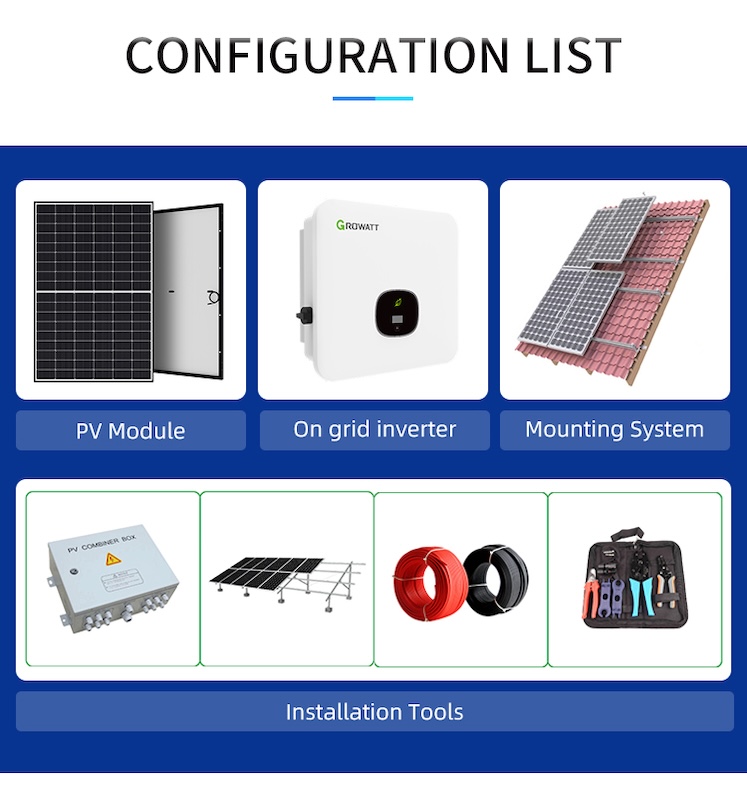
The on grid system  is simple, mainly consisting of grid-connected inverters and photovoltaic modules. No energy storage equipment is required. The inverter converts direct current into alternating current for use by the load or to be sent to the power grid.

Off Grid System

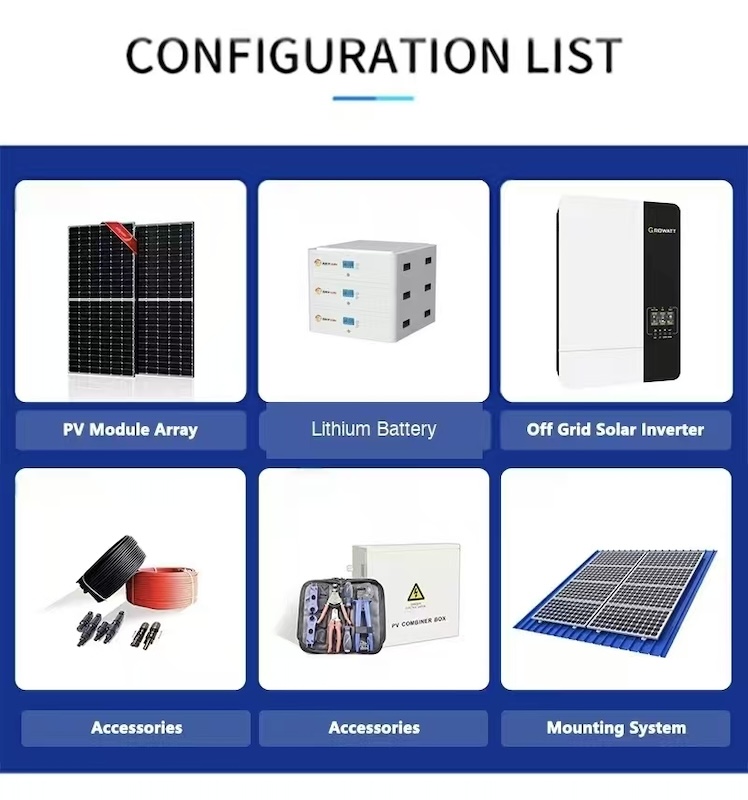
The main equipment includes off-grid inverters, energy storage batteries and photovoltaic modules. To cope with extreme situations such as continuous rainy days, diesel generators are usually provided as backup power sources to ensure uninterrupted power supply.

Hybrid System

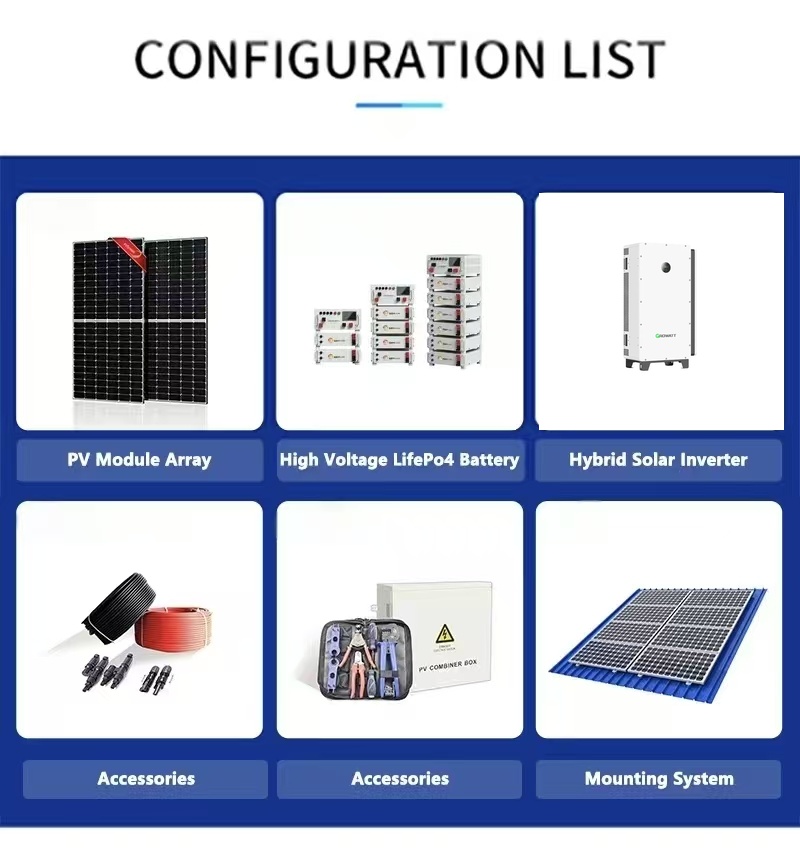
It includes a hybrid inverter, energy storage batteries, photovoltaic modules and an energy management system (EMS), which enables intelligent switching among various working modes and supports multiple functions such as peak-valley arbitrage and backup power supply.

 What is the advantages&disadvantages  of the solar power system ?

On grid solar system advantages&disadvantage

Advantages: Outstanding economic performance, low initial investment, clear returns. Through the “self-consumption of surplus power and grid connection of excess power” model, it can reduce electricity expenses and obtain grid connection income; utilize clean energy and reduce carbon emissions; simple operation and maintenance.                                                   

Disadvantages: Completely dependent on the power grid. In case of a power grid failure, to avoid the “island effect”, the inverter will automatically shut down and will be unable to supply power to the local load; Changes in electricity price policies may affect the return on investment.


Off grid solar system advantages&disadvantages

Advantages: Extremely independent, unaffected by power grid failures or power outages. It can be deployed in areas without power grids such as islands, pastoral areas, and deep mountains, serving as the core solution for power supply in areas without electricity; flexible deployment, suitable for temporary power supply and ensuring uninterrupted power supply for critical loads                      

Disadvantages: High initial investment, complex design, precise calculation of local sunshine hours, load power and daily electricity consumption is required; otherwise, there is a risk of insufficient power supply or idle energy storage; when the power generation is excessive, it cannot be connected to the grid, resulting in energy waste.

Hybrid Solar system advantages&disadvantages

Advantages: Balances the economic benefits of grid connection with the independence of off-grid operation, enhances the utilization rate of photovoltaic power, and reduces dependence on the power grid. In regions with significant peak-valley price differences, the peak-valley arbitrage can shorten the recovery period; energy storage for peak shaving and valley filling is beneficial to the power grid and helps maintain stable operation; in the event of power grid failures, it automatically switches to off-grid mode to ensure power supply for critical loads                    

Disadvantages: High initial investment, complex system control logic, and requires professional team for operation and maintenance.

How to choose the on grid vs off grid vs hybrid solar system?

When choosing the system, there is no need to worry about “which one is better”. Focus on the three dimensions of “grid conditions, electricity demand, and budget return”, and you can make a decision in just three steps.

Step 1: Assess the grid conditions.

The grid conditions determine the feasibility of the system.
  • Grid stability, without frequent power outages or power restrictions: Opt for grid-connected systems as they offer the highest cost-effectiveness and stable returns.
  • No grid coverage: Can only choose off-grid systems
  • In cases of unstable grid, frequent power outages or restrictions, or high electricity prices with large peak-valley price differences, prioritize hybrid systems to balance stability and economy.

Step 2: Clearly define electricity demand

Based on the electricity usage scenarios, determine the requirements for power supply stability.
  • Just need to save electricity costs and earn internet revenue, without the need for backup power: Choose the grid-connected system
  • If there is a need for backup power for critical loads and you cannot tolerate power outages: Choose the hybrid system.
  • For temporary power supply without grid connection: Choose the off-grid system.

Step 3: Calculate the budget and revenue

Taking the budget into account, balance the short-term investment with the long-term returns.
  • Limited budget, seeking rapid return on investment and good grid conditions: Choose grid-connected system.
  • Adequate budget, emphasizing long-term stable power supply: If there is no grid coverage, choose off-grid system; if there is grid coverage, choose hybrid system.
  • Industrial and commercial users, with large peak-valley price differences and stable electricity load: Prefer hybrid system. Peak-valley arbitrage can significantly increase revenue and shorten the recovery period.

Frequently Asked Questions

The grid-connected, off-grid, and hybrid ,they do not have absolute superiority or inferiority. The key lies in adapting to one’s own scenarios and needs. Grid-connected system: low cost, stable income, suitable for users who prefer stable power supply and good cost performance. Off-grid system: the only solution for areas without grid coverage, applicable to remote regions or for special emergency power supply. Hybrid system: combines stability and income, suitable for users with unstable power grids and those who need backup power.

Lorem ipsum dolor sit amet, consectetur adipiscing elit, sed do eiusmod tempor incididunt ut labore et dolore magna aliqua. Ut enim ad minim veniam, quis nostrud exercitation.

Lorem ipsum dolor sit amet, consectetur adipiscing elit, sed do eiusmod tempor incididunt ut labore et dolore magna aliqua. Ut enim ad minim veniam, quis nostrud exercitation.