Tier 1 Solar Panel

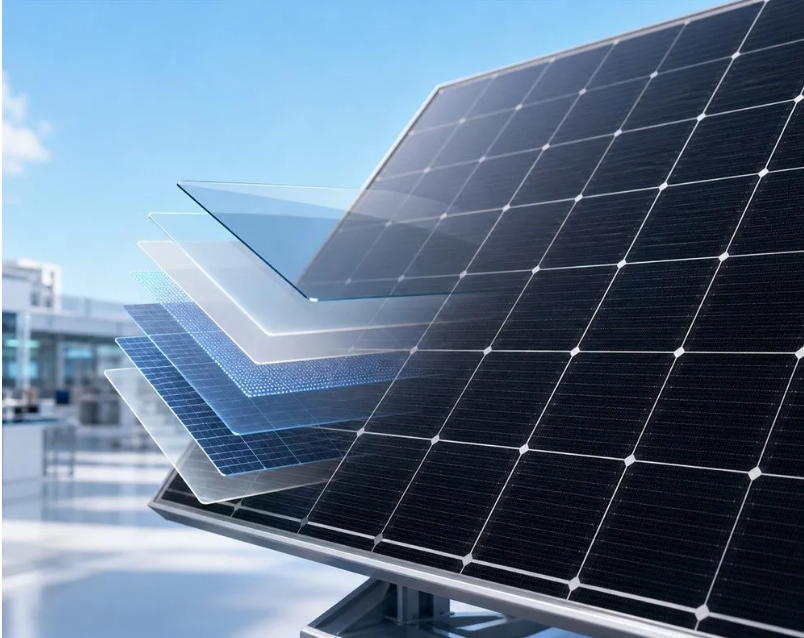
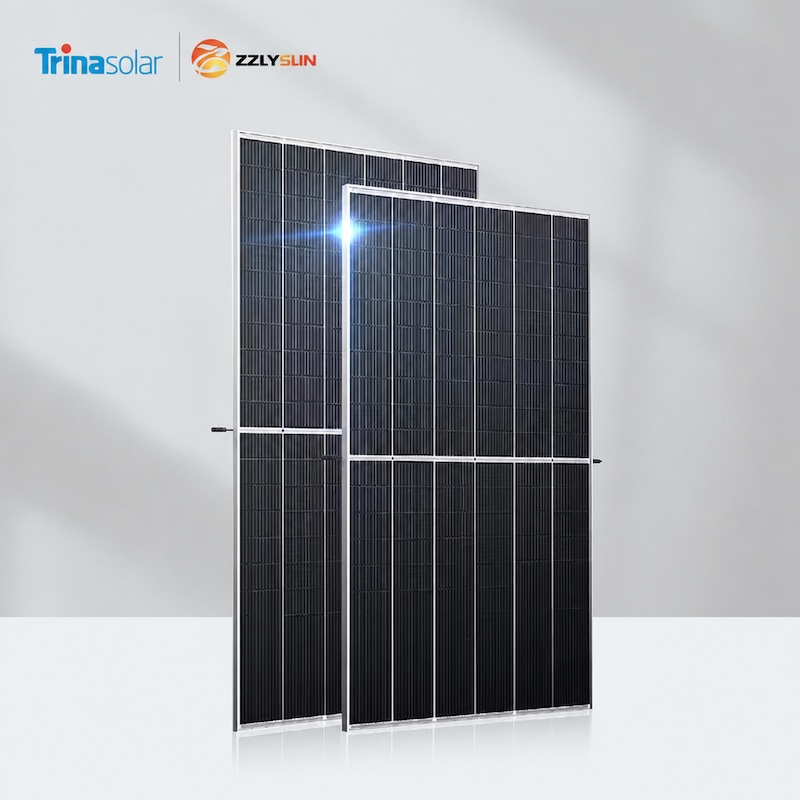
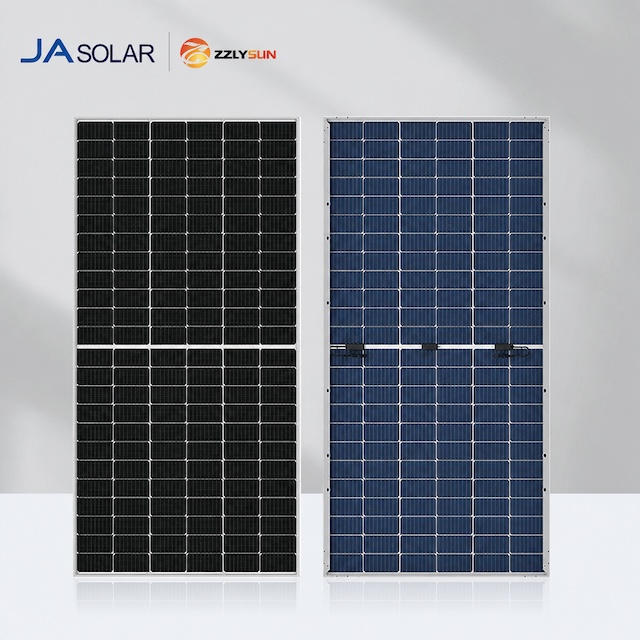
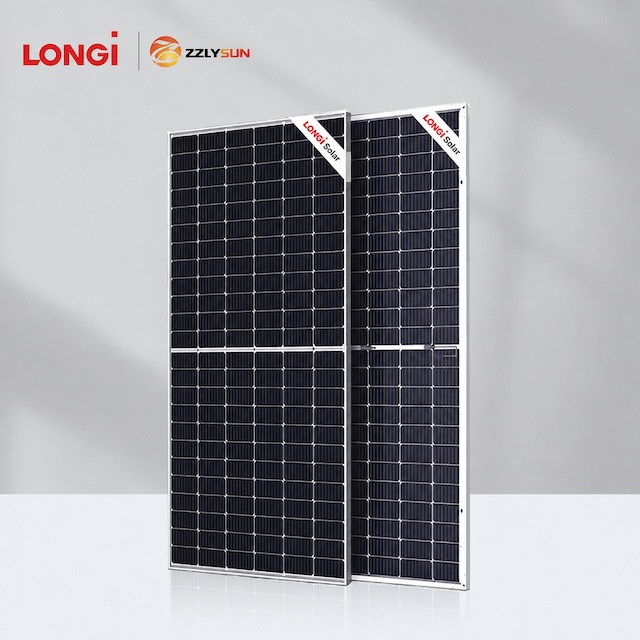
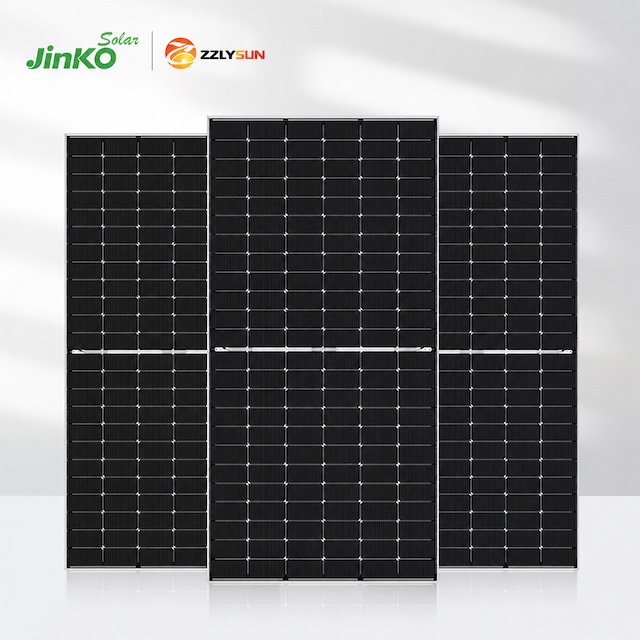
What is a TOPCon solar panel?

TOPCon solar panel technology is based on N-type silicon cells with a tunnel oxide passivated contact structure, significantly reducing electron recombination and enhancing energy conversion efficiency

Customer Review

Johnathan Doe

Co-founder/CEO

The solar panels are of excellent quality and offered at a reasonable price. The sales team at Jmsolarbess is very friendly and patient, providing a great purchasing experience. I will be placing my order again soon! Thank you

Johnathan Doe

Co-founder/CFO

“The solar panels are excellent, and the delivery speed is incredibly fast. I am deeply impressed by both the quality of the products and the efficiency of the transportation process. The customer service attitude is also excellent overall! You can trust them.”.

Johnathan Doe

Co-founder/COO

The quality of solar panels, prompt delivery, and  excellent customer service truly set a high standard for a pleasant purchasing experience

Frequently Asked Questions

Solar Panel FAQs
common concerns

Solar Panel FAQs

15 frequently asked questions — answered clearly for homeowners & professionals

1
How long do solar panels last?
Most high‑quality panels have a lifespan of 25–30 years. They typically degrade at 0.5%–0.8% per year, so after 25 years they still produce about 85–90% of their original output.
2
Do solar panels work in cloudy weather?
Yes — they generate electricity from diffuse sunlight, though at reduced efficiency (typically 10–25% of full sun output). Modern panels perform well even under overcast skies.
3
Are solar panels worth the cost?
For most homeowners, yes. With federal tax credits, net metering, and falling equipment prices, the average payback period is 6–10 years, followed by 15–20 years of essentially free electricity.
4
How much maintenance do they require?
Very little — rain usually cleans them. Inspect for debris 2–3 times a year, and have a professional check connections and inverters every 5 years. No moving parts means low upkeep.
5
Do I need a battery with my solar system?
Not required. Grid‑tied systems work without batteries. However, adding storage lets you use solar power at night and provides backup during outages — ideal for areas with time‑of‑use rates.
6
Will solar panels damage my roof?
If properly installed by certified professionals, they protect the roof underneath. Mounts are sealed with flashing to prevent leaks. In fact, panels can extend roof life by shielding it from weather.
7
What size system do I need?
Depends on your annual electricity use. A typical home uses 10,000–12,000 kWh/year — a 6–8 kW system (18–24 panels) often covers 100% of usage. An installer will size it based on your bills.
8
Do solar panels work in winter?
Yes — they actually perform better in cooler temperatures. Snow can temporarily block output, but it usually slides off quickly. Shorter daylight hours reduce production, but winter sun is still effective.
9
What is net metering?
Net metering credits you for excess electricity you send to the grid. Your meter spins backward, and you draw from those credits at night or on cloudy days — essentially using the grid as your battery.
10
How much do solar panels cost?
As of 2026, the average price (after federal tax credit) is about $2.50–$3.50 per watt. A typical 6 kW system costs $15,000–$21,000 before incentives, and $10,500–$15,000 after the 30% tax credit.
11
Do I need to replace my roof first?
If your roof is nearing the end of its life (less than 10 years left), it’s wise to replace it before installation. Removing and reinstalling panels later adds significant cost — plan ahead.
12
Are solar panels recyclable?
Yes, up to 95% of a panel’s materials (glass, aluminum, silicon) can be recycled. The industry is rapidly expanding recycling infrastructure, and many manufacturers now offer take‑back programs.
13
Do I need planning permission?
In most residential areas, solar panels are considered “permitted development” and do not require special permission — but always check local regulations, especially if you live in a historic district or have a flat roof.
14
What happens if my panels get damaged?
Most homeowner insurance policies cover solar panels under “dwelling coverage.” Also, reputable installers offer workmanship warranties (10–15 years) and manufacturers provide product warranties (20–25 years).
Answers reflect industry standards as of 2026. Always consult a local professional for site‑specific advice.